









Utah Medical
Products, Inc. FDA case
Compliant is not
the same as provable.
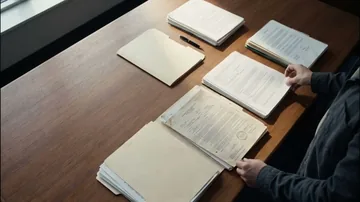
Utah Medical Products, Inc. had the evidence. What it could not show quickly was which piece of it answered which rule, and the dispute that followed took four years and, by its CEO's account, more than $3 million in legal fees.
Same evidence, two readings.
At the centre of the dispute was one word: validation.
Both sides had evidence. They disagreed about what it showed.
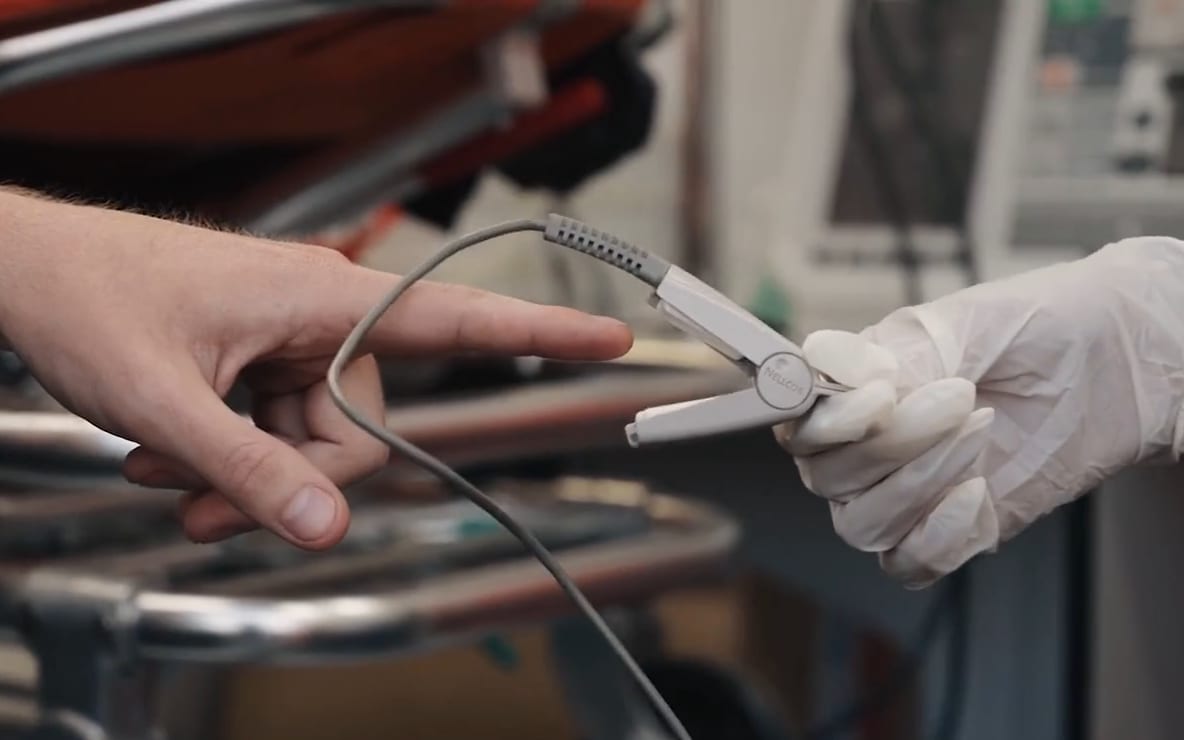
How it unfolded.
Every step below is on the public record, and every frame is from the film above.
-
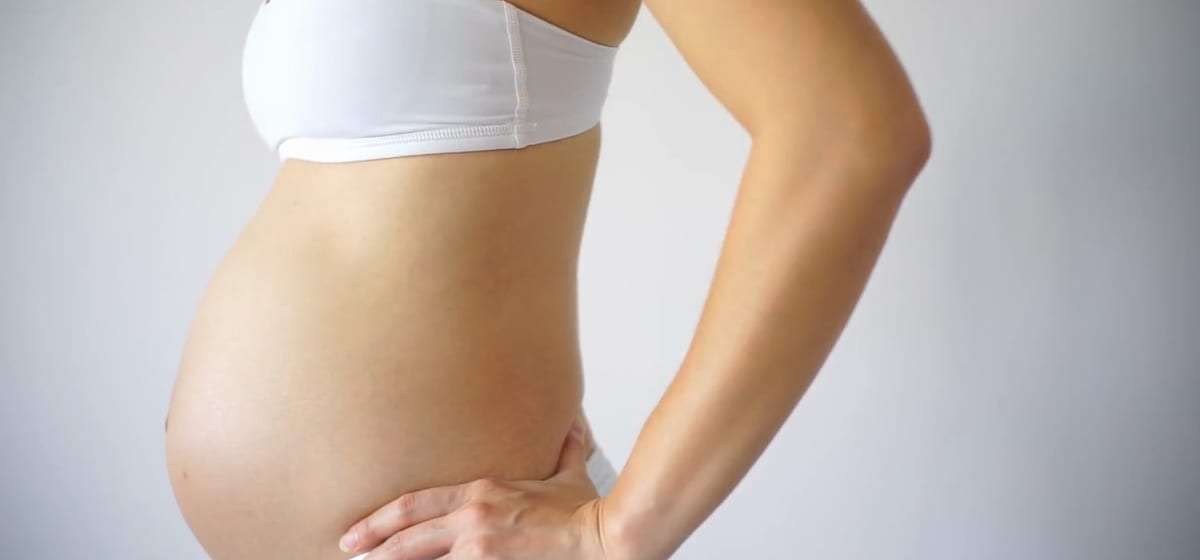
1987
Intran
Utah Medical Products, Inc. makes the Intran, an intrauterine pressure catheter placed inside the uterus during labour to measure contractions.
-
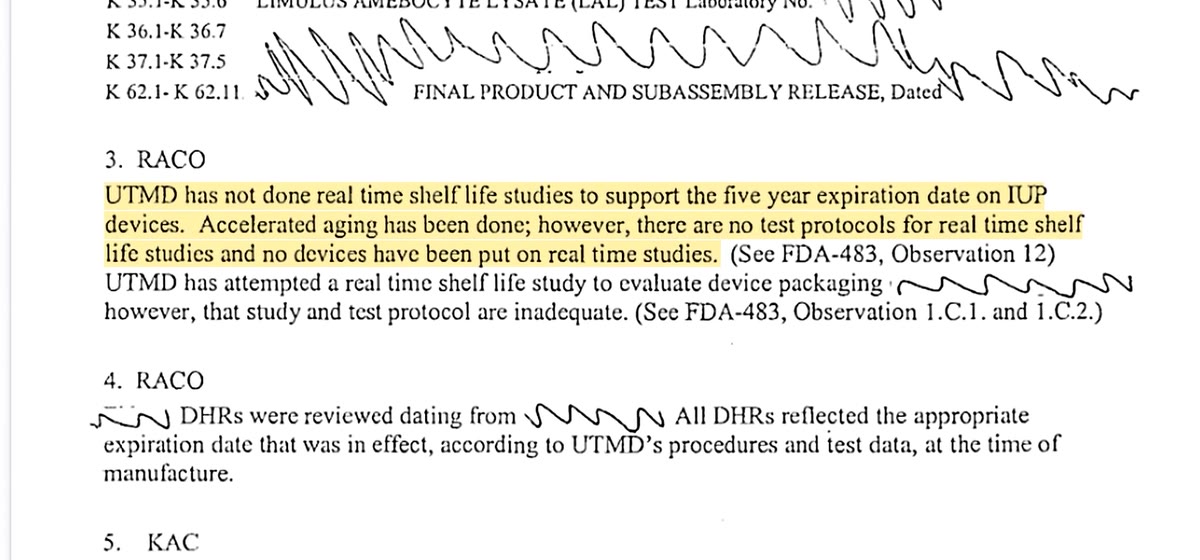
2001 to 2004
FDA monitoring
The FDA monitors Utah Medical Products, Inc. for compliance with cGMP and the Quality System Regulation, questioning a five-year shelf life with no supporting test data, an unvalidated moulding process, and a quality report stating there was “no scientific documentation or data” behind a decision to use defective parts as-is.
-

April 2002
The meeting
In a meeting with an FDA investigator in Midvale, Utah, the CEO of Utah Medical Products, Inc. picks up a switch from the Intran, the company's own labour-monitoring catheter, and throws it across the table. “This is not a quality issue.”
-

August 2004
The lawsuit
The government files suit against Utah Medical Products, Inc. on behalf of the FDA, over alleged violations of the Quality System Regulation.
-

2005
Dismissed
After a seven-day trial, Judge Bruce S. Jenkins dismisses the case: “‘Validation’ is the key word.” The government does not appeal.
-

2005
The cost
A victory for Utah Medical Products, Inc., but by its CEO's account the case cost the company more than $3 million in legal fees, after four years of fighting the FDA.
So what does that tell us?
It is not that Utah Medical Products, Inc. had no evidence. They had a great deal of it. The FDA's job is to test that evidence; that is how the public stays protected.
What was missing was the link between each piece and the requirement it served. Found sooner, that gap might have saved years of costly dispute.
having devices on the market is validation and is objective evidence, because there have been no patient injuries related to the devices and no product liability suits.
Rules change. Showing your process works does not.
On 2 February 2026 the Quality System Regulation was replaced by the Quality Management System Regulation (QMSR), built on ISO 13485 and paired with a new FDA inspection process. What QMSR changes
Today, eQMS platforms and AI tools exist to keep each piece of evidence tied to its requirement.
Batch Assessment does that work. Register the records you already hold, and the AI agent checks them against each requirement in turn.
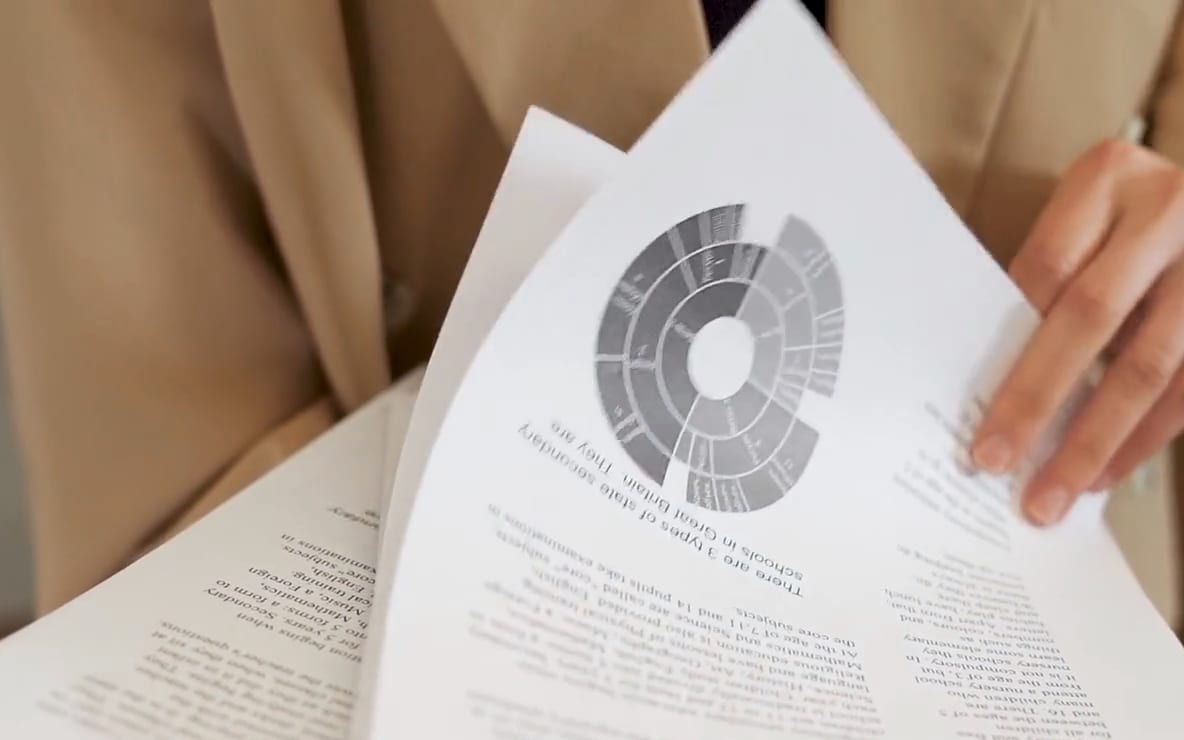
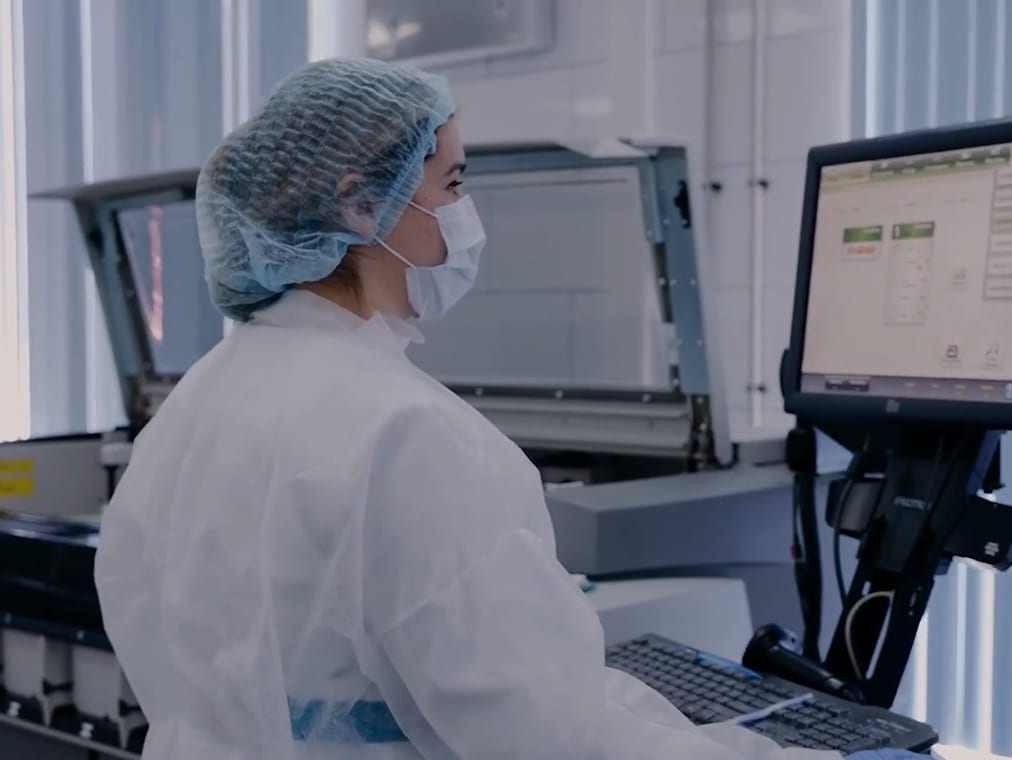
To do it well, the AI has to read those records the way people do: tables, handwritten marks, stamps and highlights. Documents are shaped to fit the human eye and brain, so understanding them starts with how people read.
Every requirement: verdict, evidence, gap.
What that result looks like for a single requirement, as an illustration.
Process validation: injection moulding
- Evidenced
- Partially evidenced
- Not evidenced
- Out of scope
Years of safe field use, but no planned proof the moulding process works every time.
- Moulding process records §4
- Deviation request §2
Moulding process validation (IQ, OQ, PQ)
Shelf-life claim: no real-time ageing study
*Fictional example for illustration only. It is not an assessment of Utah Medical Products, Inc. or its records.
証拠を、
すぐ示せる形に。 Make proof
easy to show.
御社の品質記録でお試しください。Try it on your own quality records.