





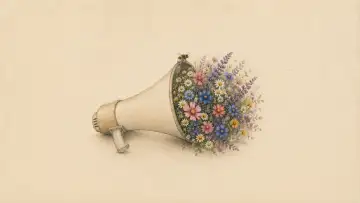
Queries
人は多くの場合、曖昧な問いから始め、
答えを見ながら問いを育てる。
ただしそれは、知識の量と、
問う必要の大きさで変わる。 People usually start with a vague
question and grow it while looking
at the answers — but how they ask
shifts with what they know and
how much is at stake.
科学的な解釈Scientific interpretation
- 01
「人は曖昧な問いから始め、答えを見ながら問いを育てる」は、情報学と認知心理学から見て妥当。 “People start vague and grow the question while looking at answers” — information science and cognitive psychology both support it.
アメリカの図書館情報学者ロバート・テイラーは情報要求(知りたいこと)が段階を経て形になると考え、ニコラス・ベルキンは知らないことはうまく問えないと考え、マーシャ・ベイツは探しながら問いが変わると考えました。どれも情報学で長く参照されてきた理論です。また、作業記憶(頭の中のメモ帳)の容量が限られていること、自力で思い出す(再生)より見て判断する(再認)ほうが容易なことも、認知心理学で確立した知見です。 The American library scientist Robert Taylor held that an information need (what we want to know) takes shape in stages; Nicholas Belkin, that we can’t ask well about what we don’t know; Marcia Bates, that the question changes as we search. All are long-cited theories in information science. That working memory (the mind’s scratch pad) is limited, and that recognizing what we see is easier than recalling it, are established findings in cognitive psychology.
- 02
体系的な質問ができるかは、脳の一般的な性質よりも、その分野の知識の量で大きく変わる。専門家は最初から体系的に問える。 Whether you can ask systematically depends less on the brain in general than on how much you know about the field. Experts ask systematically from the start.
1979年、日本の認知科学者・三宅なほみとアメリカの認知科学者ドナルド・ノーマンは、学習者がどのような質問をするかを調べました。知識の多い人は難しい内容でより多く質問し、知識の少ない人はやさしい内容でより多く質問しました。論文の題名そのものが「質問するには、何を知らないかを知るだけの知識が必要だ」というものです。 In 1979 the Japanese cognitive scientist Naomi Miyake and the American cognitive scientist Donald Norman studied what questions learners ask. Those who knew more asked more about difficult material; those who knew less asked more about easy material. The paper’s title says it all: “To ask a question, one must know enough to know what is not known.”
歴史的な解釈Historical interpretation
- 03
人は体系的に問えないのではない。必要がなければ、体系的には問わない。 It isn’t that people can’t ask systematically — they don’t, unless they need to.
図書館で、司書が対話を通じて利用者の本当の要求を引き出す「レファレンス・インタビュー」という技法が長く必要とされてきたこと自体が、多くの人が最初から体系的に問えないことの歴史的な証拠と言えます。一方で、17世紀の学者たちの手紙のように、往復のコストが高い場面では、人は最初から体系的な問いを作り込んできました。人は体系的に問えないのではなく、必要がなければ体系的には問わない、と言うほうが正確です。 That libraries have long needed the “reference interview” — a librarian drawing out, through conversation, what a patron really wants — is itself historical evidence that most people can’t ask systematically at first. Yet where each round trip was costly, as with the letters of 17th-century scholars, people crafted systematic questions from the start. It is more accurate to say not that people can’t ask systematically, but that they don’t unless they need to.
参考:R. S. Taylor, “Question-negotiation and information seeking in libraries,” College & Research Libraries (1968) / N. J. Belkin, “Anomalous states of knowledge as a basis for information retrieval,” Canadian Journal of Information Science (1980) / M. J. Bates, “The design of browsing and berrypicking techniques for the online search interface,” Online Review (1989) / N. Miyake & D. A. Norman, “To ask a question, one must know enough to know what is not known,” Journal of Verbal Learning and Verbal Behavior (1979) References: R. S. Taylor, “Question-negotiation and information seeking in libraries,” College & Research Libraries (1968) / N. J. Belkin, “Anomalous states of knowledge as a basis for information retrieval,” Canadian Journal of Information Science (1980) / M. J. Bates, “The design of browsing and berrypicking techniques for the online search interface,” Online Review (1989) / N. Miyake & D. A. Norman, “To ask a question, one must know enough to know what is not known,” Journal of Verbal Learning and Verbal Behavior (1979)
曖昧な問いから、
答えにたどり着く。 Start vague.
Get to the answer.
思いつくままに尋ね、読みながら深める。Ask the way you think, then refine as you read.